
What Is a Wedding Photo Narrative? A Couple's Guide
- 3 days ago
- 8 min read

A wedding photo narrative is a purposeful visual story that captures the authentic emotions, connections, and key moments of your wedding day through a cohesive collection of images. Unlike a simple album of posed portraits, a photo narrative follows the arc of your day from the nervous excitement of getting ready to the last dance, creating a record of how your wedding felt, not just how it looked. Ataviaweddings has built its entire approach around this storytelling philosophy, drawing on over 16 years of experience and more than 1,600 weddings to craft visual narratives that couples return to for decades.
What is a wedding photo narrative and how does it work?
A wedding photo narrative is the industry term for what photographers also call photojournalistic wedding photography: a storytelling-driven approach that captures real emotions, fleeting moments, and genuine interactions as they naturally unfold. The result is an immersive, emotionally coherent set of images rather than a collection of isolated portraits. Think of it as the difference between a highlight reel and a short film.
The structure of a photo narrative follows a clear arc. A wedding photo essay typically organizes images chronologically or by theme, from preparation through ceremony to celebration, maintaining story clarity throughout the album. That structure gives the final gallery a beginning, middle, and end, which is exactly what makes it feel like a story rather than a slideshow.
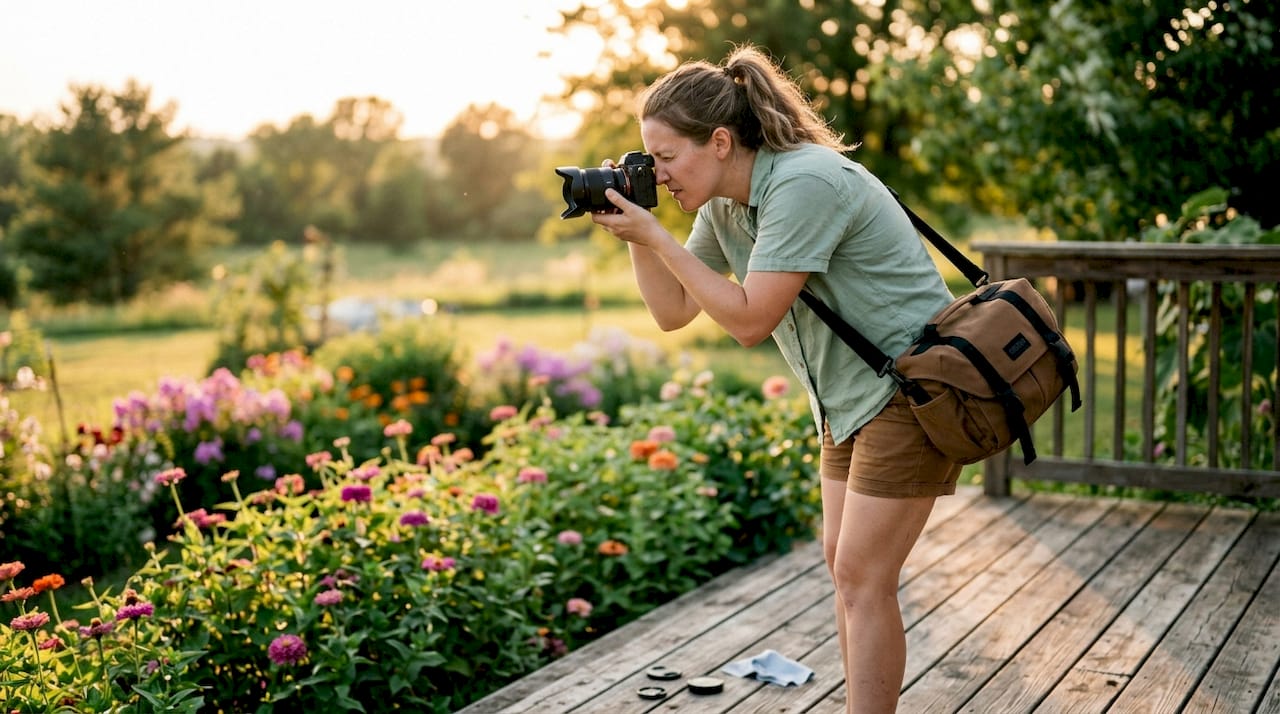
What separates a photo narrative from standard wedding photography is its focus on emotional truth. Storytelling wedding photography captures subtle glances, in-between moments, and the energy of anticipation, revealing how the day felt rather than just what happened. A photo of a bride laughing with her mother while getting ready tells a different kind of story than a formal portrait of the two of them standing side by side.
How does a wedding photo narrative differ from candid and traditional photography?
The distinction matters because it shapes every decision your photographer makes on your wedding day. Traditional posed photography prioritizes flattering, controlled images where everyone looks their best and faces the camera. Candid photography captures unscripted moments without direction. A photo narrative does something more deliberate than either.
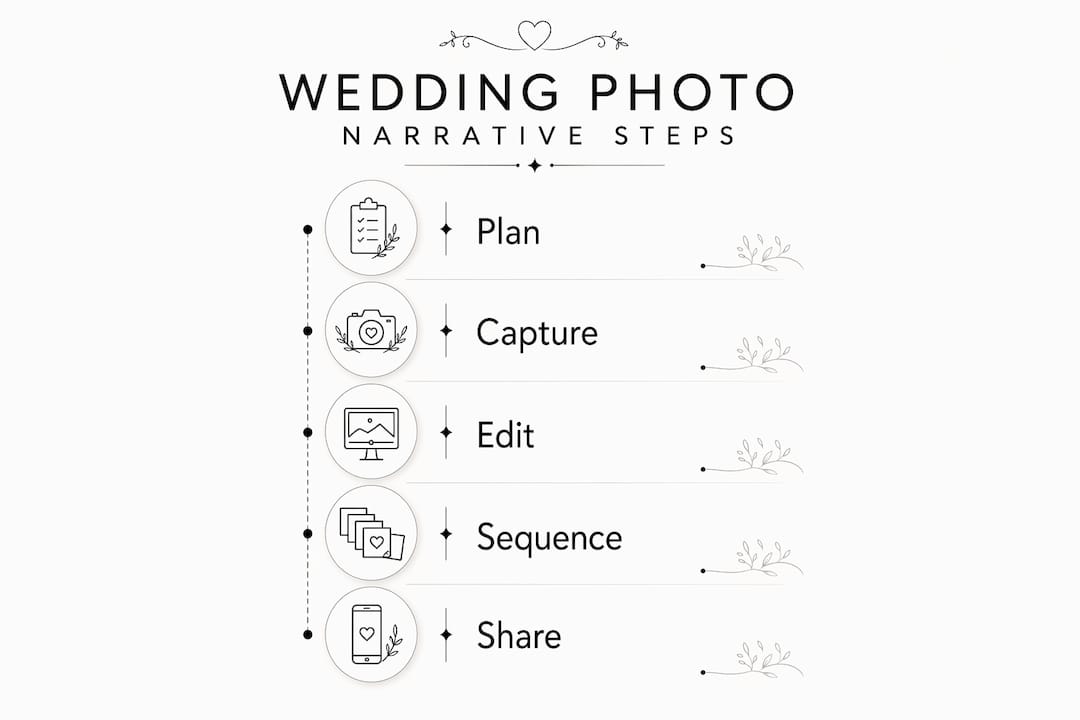
Narrative photography is highly intentional, balancing observation with framing and timing. The photographer is not simply waiting for things to happen, nor are they staging every shot. They are actively shaping a cohesive story by deciding which moments to prioritize, how to frame them, and how they connect to the images before and after.
Here is how the three styles compare in practice:
Traditional posed photography: Directed portraits, formal group shots, controlled lighting. Prioritizes polished appearance over emotional spontaneity.
Candid photography: Unscripted moments captured without direction. Authentic but can lack narrative structure or thematic cohesion.
Photo narrative: A curated blend of both. Candid emotional moments are captured alongside meaningful portraits, all organized to tell a complete, emotionally resonant story.
The photographer’s role in a narrative approach is closer to that of a documentary filmmaker than a portrait artist. They observe, anticipate, and position themselves to capture truth, then weave those images into a story that reflects your specific relationship and day.
What techniques do photographers use to build a compelling narrative?
Skilled narrative photographers rely on a set of proven techniques to construct a story that holds together from first image to last.
Photojournalistic observation. Minimal intervention is the foundation of narrative photography. The photographer positions themselves strategically to predict where moments will unfold, without directing or staging scenes. This preserves the emotional reality of each image.
Sequences of 3–5 photos. Mini story sequences highlight emotional moments like a groom’s reaction as his bride walks down the aisle or a flower girl dropping petals. These sequences make albums feel cinematic and give the gallery a sense of movement.
Varied focal lengths. Wide shots establish context and place. Medium shots capture interaction and connection. Close-up shots isolate emotion, a trembling hand, a tear, a smile breaking through nerves. Shifting between these focal lengths creates visual rhythm within the narrative.
Balancing candid and portrait moments. A strong narrative includes both. Candid shots carry emotional weight. Portraits provide anchoring moments that give the story structure and allow couples to see themselves clearly within it.
Pre-wedding preparation. Photographers prepare by understanding the couple’s values, personalities, and preferences before the wedding day. That preparation guides which moments to prioritize and ensures the storytelling feels personal rather than generic.
Pro Tip: Ask your photographer to walk through the day’s timeline with you at least two weeks before the wedding. Knowing when key emotional moments are likely to happen, like the first look or the parent dances, lets them position themselves early and capture the full arc of each moment.
Why does storytelling matter in wedding photography?
Storytelling transforms wedding images from documentation into memory. Emotional storytelling captures moments like a father’s trembling hand during the bride’s walk down the aisle, turning images from mere records into unforgettable memories. That distinction is the entire reason couples return to their wedding albums years later and feel something.
A photo narrative also creates a legacy that goes beyond the couple. Parents, children, and grandchildren who were not present can understand the emotional texture of the day through a well-constructed narrative. A posed portrait tells them who was there. A narrative tells them what it meant.
“It layers emotion, context, and meaning to transform a wedding gallery into a visual legacy unique to the couple.”
Wedding film narratives work on the same principle. Wedding film storytelling combines structure, emotion, and visual creativity through techniques like voiceover, music, and color grading to form a cinematic narrative. The parallel is direct: both photo and film narratives prioritize the couple’s personality and emotional experience over a simple chronological record.
The moments that make a narrative powerful are often the ones couples do not plan. A nervous glance between partners before the ceremony begins. The exact second a parent realizes their child is getting married. A bridesmaid quietly fixing the bride’s veil. These images carry weight precisely because they were not staged. A photographer trained in narrative style knows to watch for them.
How can couples collaborate with their photographer to shape their narrative?
Your photographer cannot tell your story without knowing it first. The collaboration between couple and photographer is what separates a generic wedding gallery from a truly personal one.
Share your story before the wedding. Tell your photographer how you met, what matters most to you as a couple, and which relationships you want highlighted. That context shapes every framing decision they make on the day.
Identify the moments that matter most. Think beyond the ceremony. Is there a meaningful tradition in your family? A friend who traveled across the country to be there? A detail you spent months choosing? Flag these for your photographer in advance.
Discuss the emotional tone you want. Some couples want a joyful, high-energy narrative. Others want something quieter and more intimate. Neither is wrong, but your photographer needs to know which direction to lean.
Review portfolios specifically for narrative style. Look for galleries that tell a complete story, not just a collection of beautiful individual shots. Ask whether the images flow, whether you can feel the day’s emotional arc, and whether the candid moments feel genuine.
Trust the process on the day. Once you have shared your story and preferences, let your photographer work. Trying to direct every moment undermines the authenticity that makes narrative photography powerful.
Pro Tip: When reviewing a photographer’s portfolio, flip through the full gallery in order rather than cherry-picking favorites. A strong narrative photographer’s work will feel like reading a story. If the gallery feels disjointed or repetitive, the photographer may excel at individual shots but not at narrative construction.
Key takeaways
A wedding photo narrative is the most emotionally complete way to document your wedding day because it captures both what happened and how it felt.
Point | Details |
Definition of photo narrative | A curated visual story that captures emotions and moments in a cohesive arc, not just isolated portraits. |
Narrative versus candid | Narrative photography is intentional and structured; candid photography alone lacks the cohesion of a full story. |
Core techniques | Sequences of 3–5 images, varied focal lengths, and minimal interference build emotional depth and cinematic flow. |
Collaboration is required | Sharing your personal story and key moments with your photographer shapes the entire narrative approach. |
Legacy value | A photo narrative creates a record that future generations can feel, not just see. |
What 16 years of wedding narratives taught me
Most couples come to us thinking they need to choose between beautiful portraits and authentic candid moments. That is a false choice. The strongest wedding narratives I have seen always include both, and the balance is what makes them feel complete.
The misconception I encounter most often is that storytelling photography means the photographer disappears and just shoots whatever happens. The reality is the opposite. Narrative photography requires more preparation, more awareness, and more intentional decision-making than traditional portrait work. A photographer who truly understands narrative style is constantly thinking about how each image connects to the ones before and after it.
What I have also learned is that the images couples treasure most after ten years are almost never the formal portraits. They are the ones that captured something true: a laugh that was not planned, a look between two people who did not know anyone was watching, a quiet moment before the chaos of the reception began. Those images exist because a photographer was paying attention and knew what to look for.
My honest advice: do not hire a photographer based on a single stunning shot. Hire them based on whether their full galleries tell a story you want to live inside for the rest of your life.
— Atavia
How Ataviaweddings brings your wedding story to life
Ataviaweddings has spent over 16 years refining the art of wedding storytelling, with a portfolio of more than 1,600 weddings and 100% positive client feedback. Every couple’s narrative is different, and the team approaches each wedding with the preparation and intentionality that genuine storytelling requires.

You can see the full range of narrative photography in the wedding gallery, where complete wedding stories are presented from preparation through celebration. For couples who want both photo and film narratives, the wedding films page shows how cinematic storytelling complements still photography. Tailored wedding packages are available to match your vision and coverage needs. Reach out to Ataviaweddings directly to discuss your story and find the right approach for your day.
FAQ
What is a wedding photo narrative?
A wedding photo narrative is a curated series of images that tells the complete emotional story of a wedding day, from preparation through celebration. It blends candid moments and meaningful portraits into a cohesive visual arc.
How is a photo narrative different from a photo essay?
A wedding photo essay and a photo narrative are closely related. A photo essay organizes images by theme or chronology to create story clarity, while a narrative places greater emphasis on emotional arc and the connections between moments.
Does narrative photography include posed portraits?
Yes. Narrative photography intentionally balances candid observation with meaningful portraits. Posed shots provide structure and anchor points within the larger story.
How do I know if a photographer shoots in a narrative style?
Review their full wedding galleries in sequence rather than individual highlights. A narrative photographer’s work will feel like a story with a beginning, middle, and end, not a collection of unrelated beautiful images.
What is a wedding film narrative?
A wedding film narrative applies the same storytelling principles to video, using structure, music, voiceover, and color grading to create a cinematic record of the couple’s day and emotional experience.
Recommended
Comments